Nestled along the South China Sea, Kuala Terengganu, the capital of Terengganu state on Peninsular Malaysia’s east coast, is a city that often escapes the spotlight.
Unlike the urban sprawl of Kuala Lumpur or the tourist-packed streets of Penang, Kuala Terengganu reveals a different side of Malaysia: one deeply rooted in Islamic heritage, traditional crafts, and a peaceful way of life shaped by sea and river.
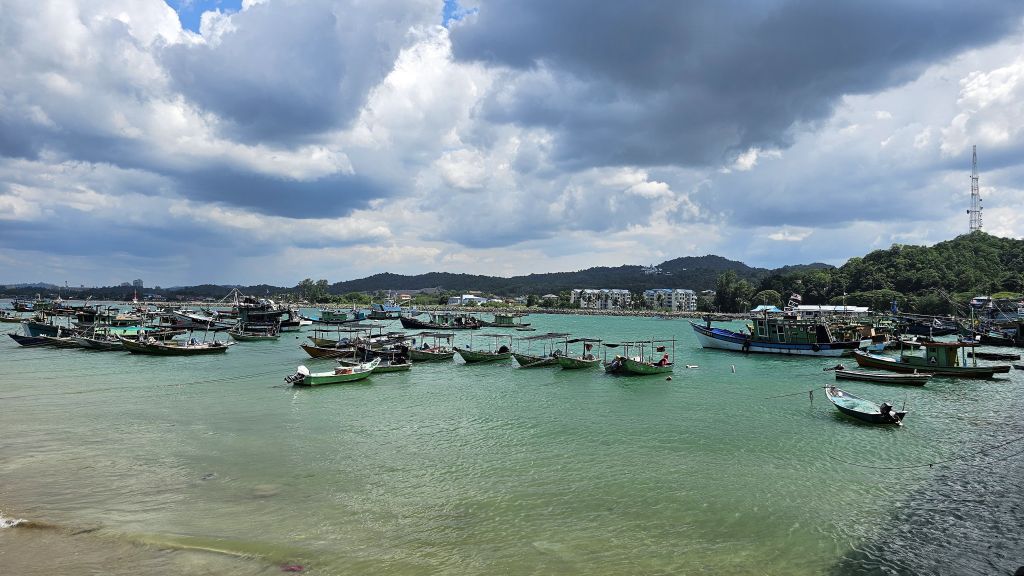
This blog post isn’t just a list of sights. It’s a reflection on why I believe Kuala Terengganu deserves more attention from locals and foreigners alike. Here’s what makes this city worth the journey.
Mosques That Shape the City
Kuala Terengganu’s mosques are more than places of worship. They are bold expressions of faith, identity, and vision, each telling a story through its design, history, and setting.
1. Crystal Mosque: Faith in Modern Form
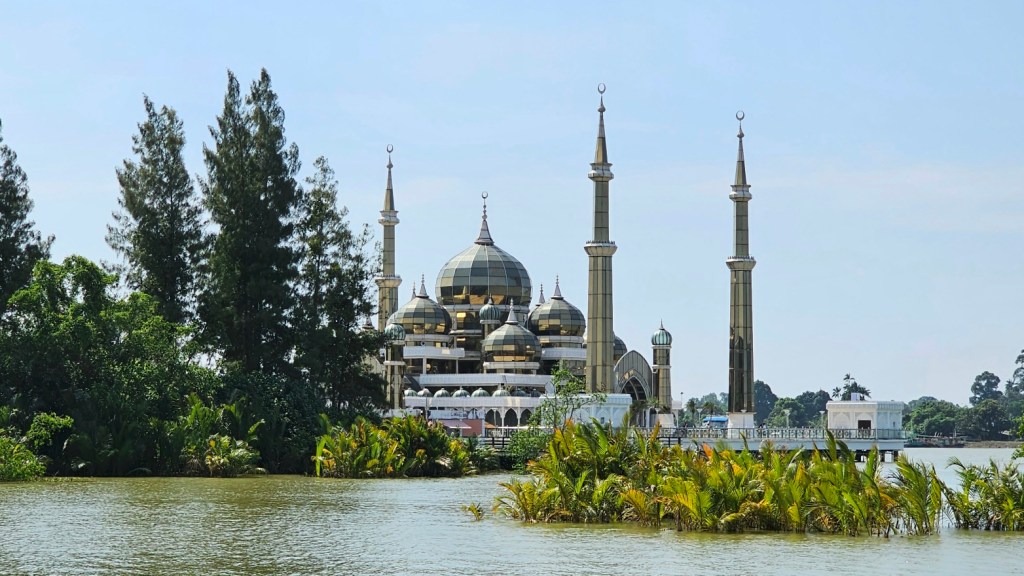
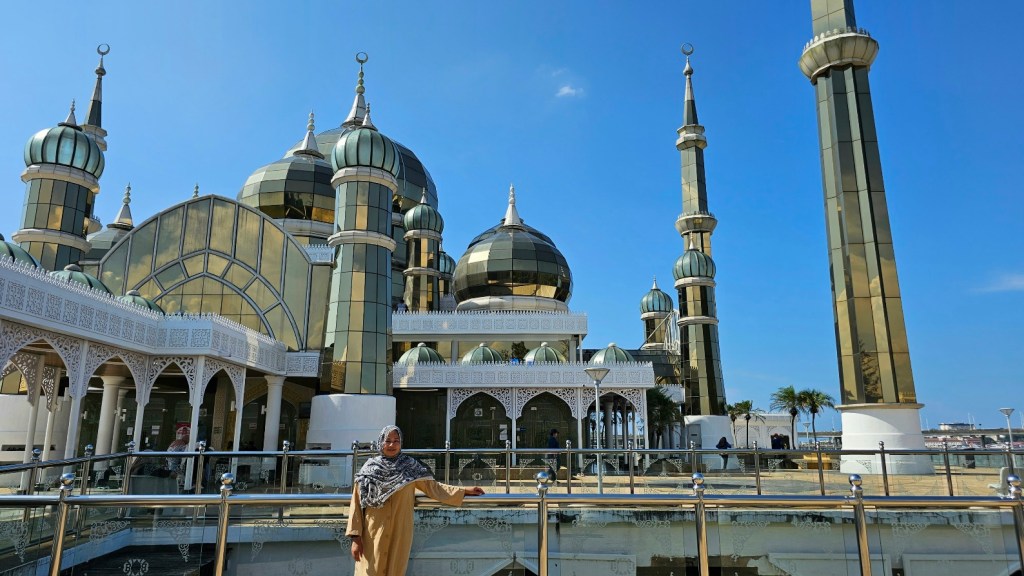
One of Malaysia’s most unique and visually captivating mosques, the Crystal Mosque (Masjid Kristal) is a true architectural gem. Built in 2008 from steel, glass, and crystal, its reflective domes shimmer under the sun and glow softly at dusk.

Blending contemporary Islamic design with spiritual symbolism, the mosque stands not only as a place of worship but also as a proud reflection of Terengganu’s faith, innovation, and cultural identity. It’s no surprise the Crystal Mosque is one of Malaysia’s most photographed landmarks.

Before entering, I was required to wear an abaya, which was provided at the entrance, a small gesture that made the visit feel even more respectful and special.
2. State Mosque: The City’s Oldest Symbol

Built in 1793, the State Mosque, also known locally as Masjid Abidin, is the oldest mosque in Terengganu and one of its most enduring landmarks. Often called the White Mosque (Masjid Putih) for its bright whitewashed walls and soft green domes, it stands out in the heart of Kuala Terengganu.

The architecture is a graceful blend of Islamic and colonial styles, with elegant arches and subtle detailing that reflect centuries of devotion. Whether admired from afar or experienced within, its quiet beauty and spiritual presence are unforgettable.
3. Floating Mosque: Where River Meets Reverence

Just 4 km from the city centre, the Floating Mosque, officially known as Tengku Tengah Zaharah Mosque, was built in 1995 to honour the mother of Sultan Mahmud. Located along the banks of the Ibai River, it gives the illusion of floating gracefully above the water, especially during high tide.
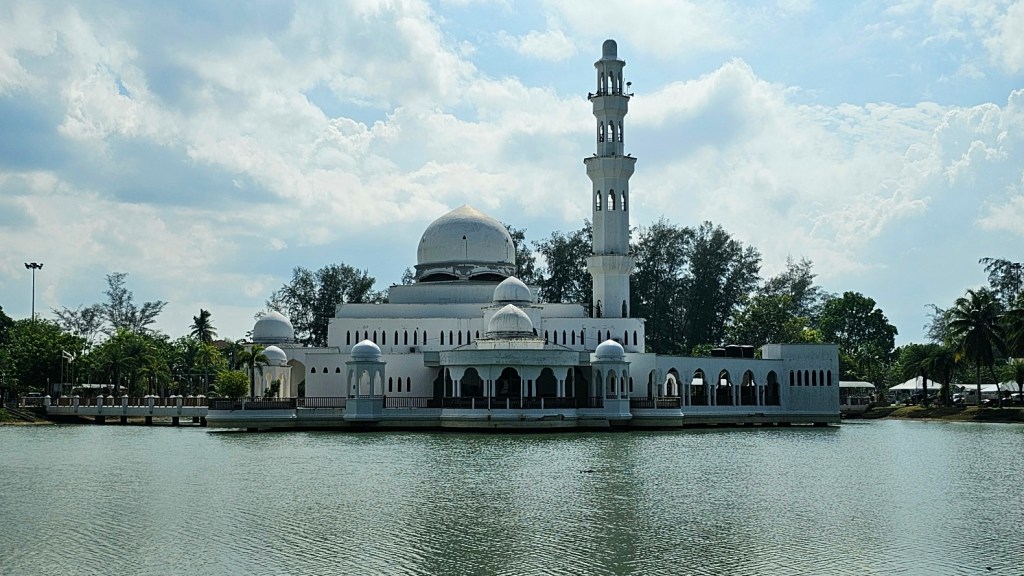
With its pristine white façade and Moorish-inspired arches, the mosque is especially beautiful at sunset, when golden light reflects across the river and illuminates the structure in a soft glow.
4. Eight-Domed Mosque: Color in the Countryside
About 1.5 hours north of Kuala Terengganu lies one of the state’s most unexpected architectural gems. Officially named Masjid Lapan Kubah, the Eight-Domed Mosque is often referred to by locals as the “Russian Mosque” due to its resemblance to St. Basil’s Cathedral in Moscow.
Completed in 2018, its eight brightly coloured domes rise above a quiet village and lush paddy fields, an eye-catching contrast to its rural surroundings. This playful take on Islamic architecture has quickly become a favourite photo spot for those willing to venture off the usual path.
I didn’t manage to visit this place as it was hard to reach on my own, but here’s a beautifully captured video that shows just how striking it is from above:
Living Heritage: Where the Past Still Shines
Kuala Terengganu is best understood through the places that have preserved its cultural soul. From centuries-old streets to immersive museums, these spaces connect history with daily life. They’re not relics but part of what makes the city feel real and worth exploring.
1. Terengganu State Museum

This museum complex isn’t just the largest in Southeast Asia, but it’s also one of the most unique museums in Malaysia. Inspired by traditional Malay house architecture, the buildings are perched on stilts with timber panels and pitched roofs. I must say, the architecture alone is reason enough to visit.

What amazed me most was how the museum feels like a cultural village. Traditional wooden houses, boats, and open-air exhibits are scattered across manicured grounds outside the main buildings, allowing visitors to wander between history and living tradition.


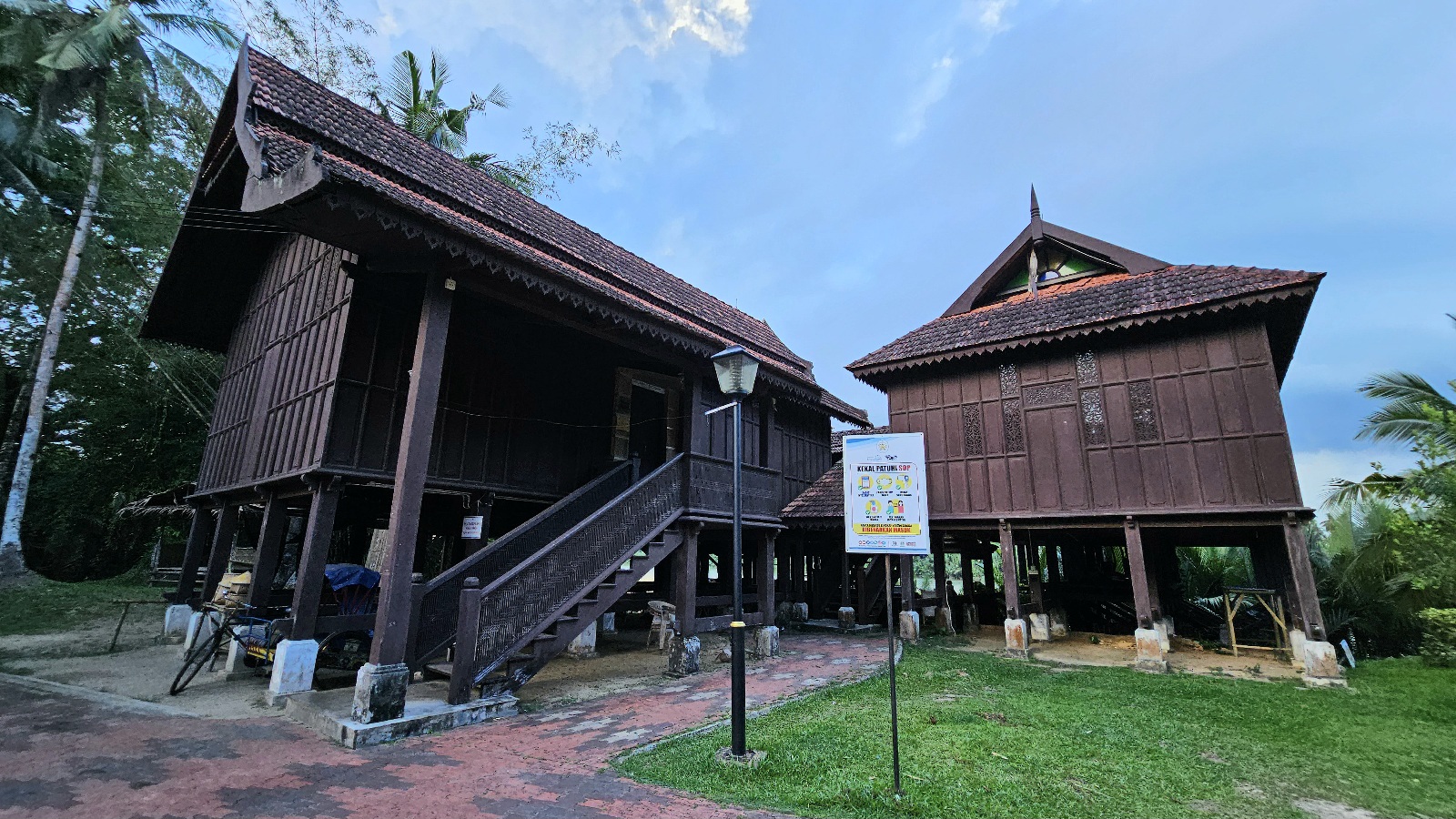
The museum comprises four interconnected buildings showcasing Islamic art, crafts, textiles, fishing traditions, and more. With both indoor and outdoor displays, you could easily spend two to three hours or more immersing yourself in the rich heritage of Terengganu.
2. Kampung Cina: A Living Mix of Cultures
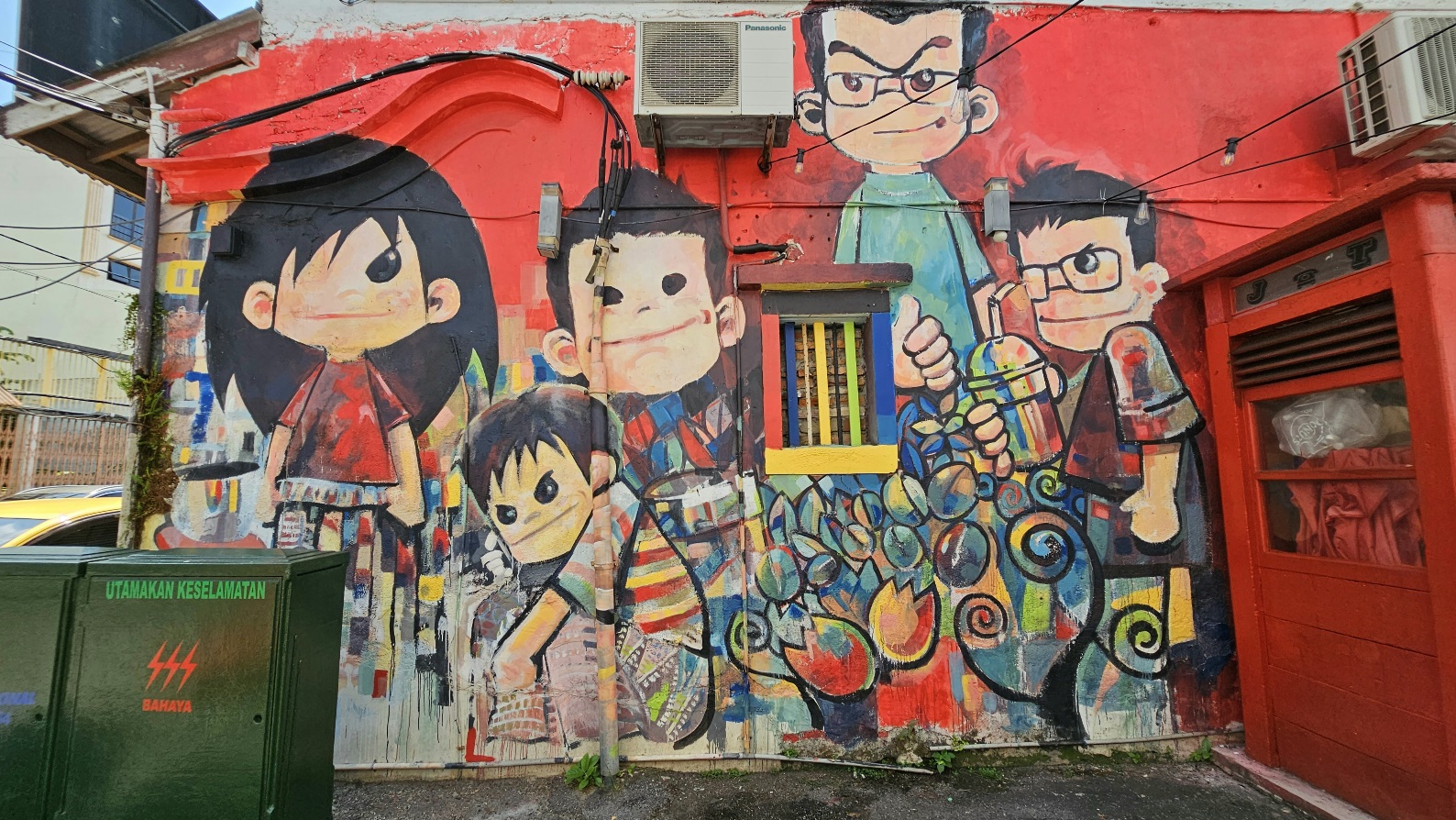
Kuala Terengganu’s Chinatown, or Kampung Cina, is one of the oldest in Malaysia, with over 300 years of history. Step through the red-and-gold archway and you’ll find restored shophouses, family-run businesses, and colourful street art, proof that this heritage enclave is still thriving.

Some interesting corners to explore include Turtle Alley, a mural walkway dedicated to sea turtle conservation, and Ho Ann Kiong Temple, the oldest Chinese temple in Terengganu. You’ll also find Tauke Wee Sin Hee Cultural Lane, Payang Memory Lane, and World Heritage Lane, which offer charming photo spots and glimpses into the area’s layered past.


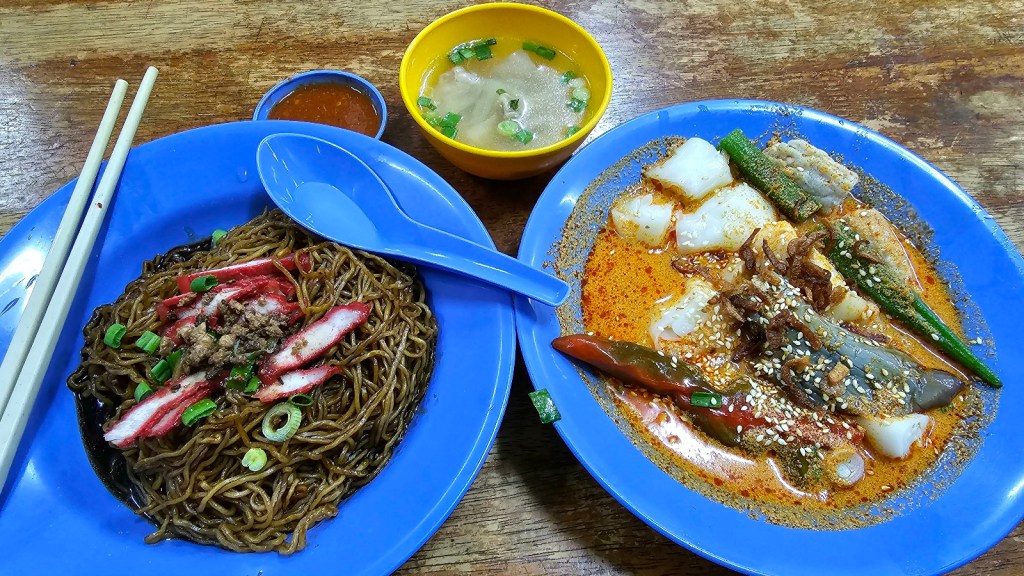
I tried two of my favourite local Chinese dishes here: wanton noodles and chee cheong fun (steamed rice rolls). The flavours are prepared the traditional way, something rarely found back home in Singapore.
3. Haji Su Heritage House (Rumah Warisan Haji Su)
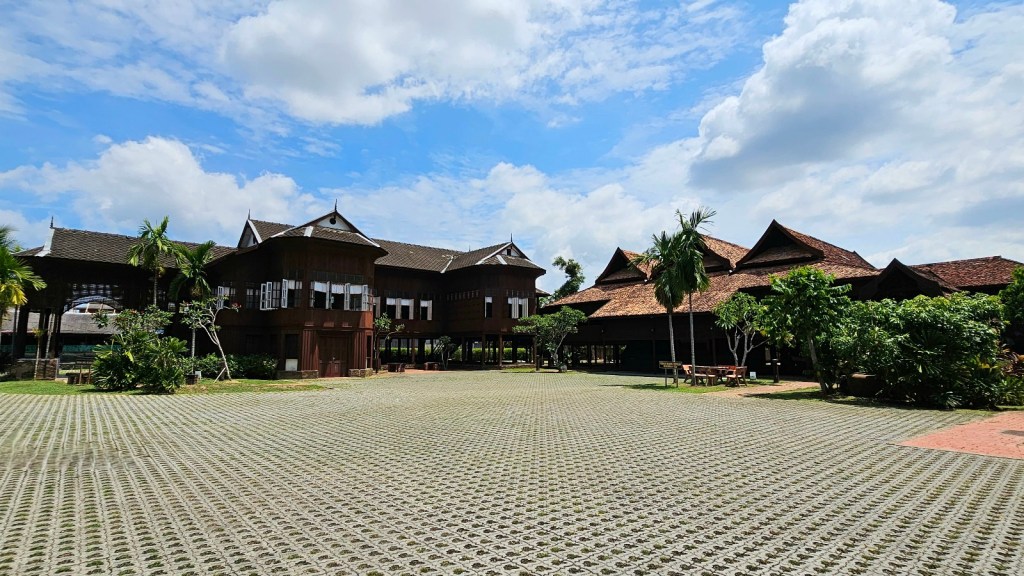
Built in the 1850s, this historic wooden residence was once home to Haji Su Mohammed Salleh, a prominent shipping trader during the height of Kuala Terengganu’s maritime trade era. Today, it’s one of the few surviving examples of traditional Malay residential architecture in the city.
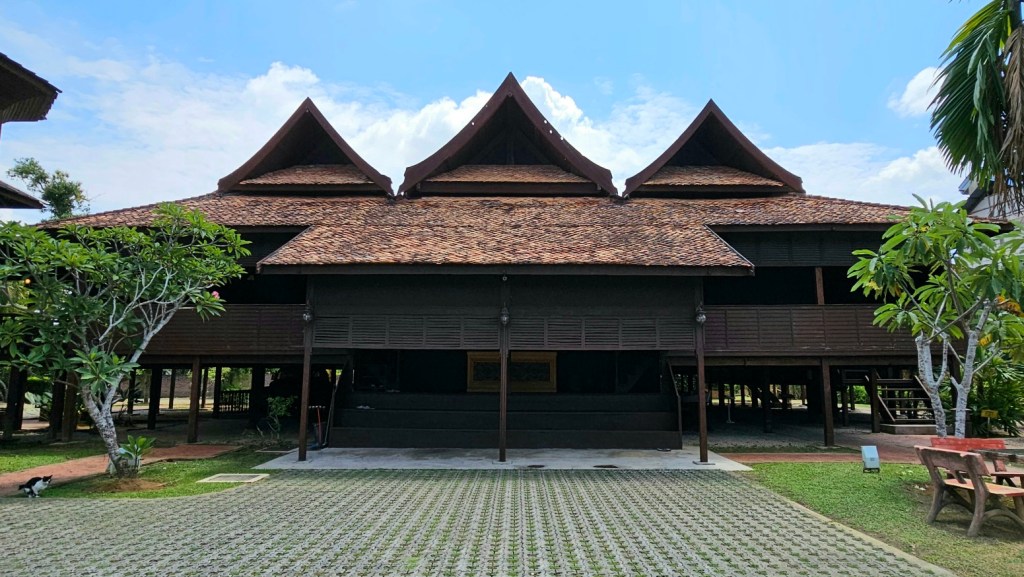
The house blends two architectural styles: Rumah Bujang Berpeleh (with three gabled roofs) and Rumah Limas Belanda (Dutch-hip roof). Interestingly, while the roof features three gables, they were not formed from three separate houses, which was a unique design approach by master builders of that era.


Constructed mostly from local cengal wood, prized for its durability, the house has stood strong for over a century. Now restored through community-led efforts, it’s open to visitors and offers a quiet but powerful reflection of how architecture, history, and craftsmanship still shape Terengganu’s cultural identity.
Daily Life Along the River
To better understand this city, I spent time observing the rhythm of everyday life. It’s often the simplest moments that leave the deepest impression.
1. A Boat Ride with Everyday Views
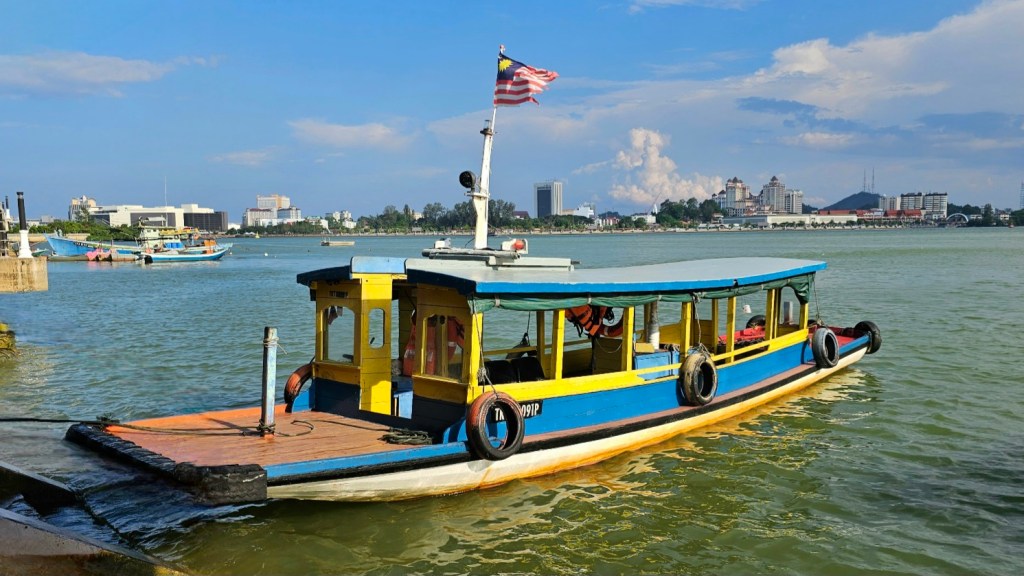
For a glimpse into local life, I took a short ride on the traditional Penambang Boat, also known affectionately as “bot nambang” in the local dialect. These small wooden boats have served as river taxis since the 1970s, connecting jetties across the Terengganu River.

Before bridges were built, this was how locals crossed the river to attend school, go to markets, or commute. Even today, it’s still used by many for its convenience, low cost (RM2 return), and community feel. You’ll see people of all ages sharing the ride.
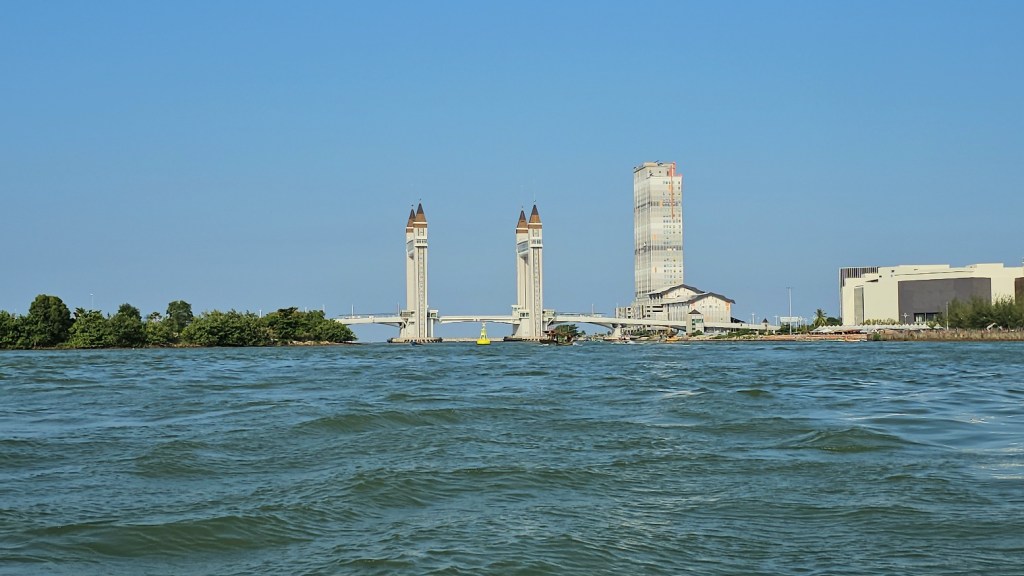
The ride lasts only about 15 minutes, yet it’s surprisingly enjoyable. The breeze, riverside homes, and view of the drawbridge in the distance add to its charm.
2. Pulau Duyung and the Community Library
Pulau Duyung, a river island in the Kuala Terengganu estuary, is famous for its traditional boat building and charming old Malay houses known as kampung houses.
I was surprised to find a hidden gem here: the Dr Rohani Longuet Library, founded by French expat Christine Rohani Longuet, who arrived in 1971 and made the village her home.
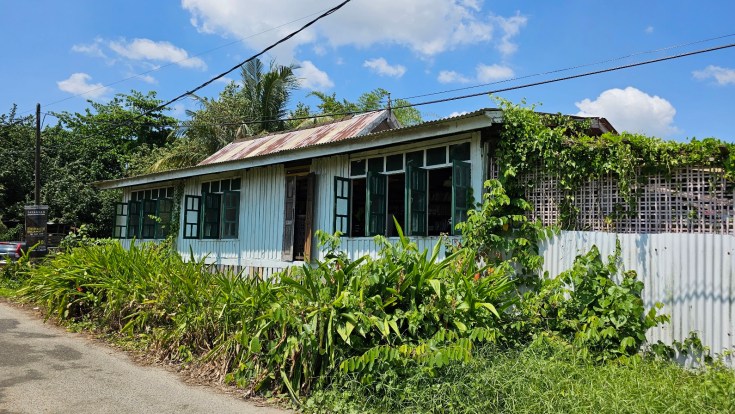
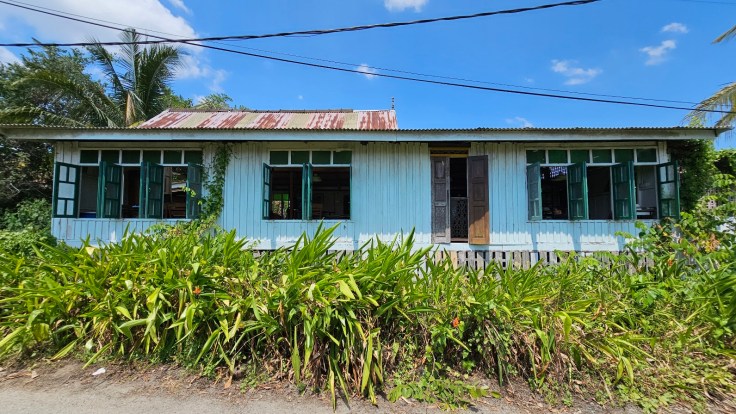

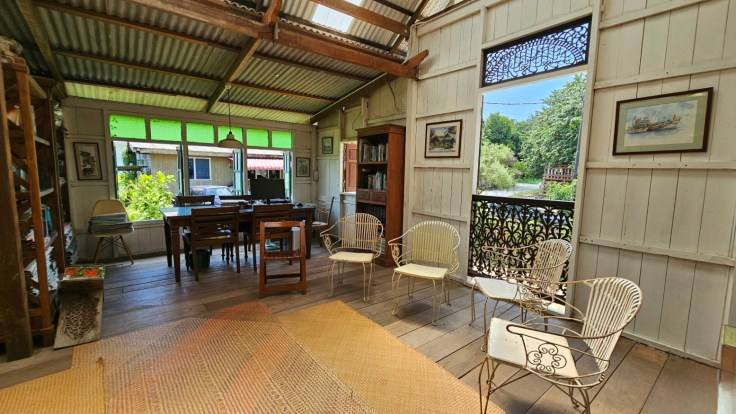
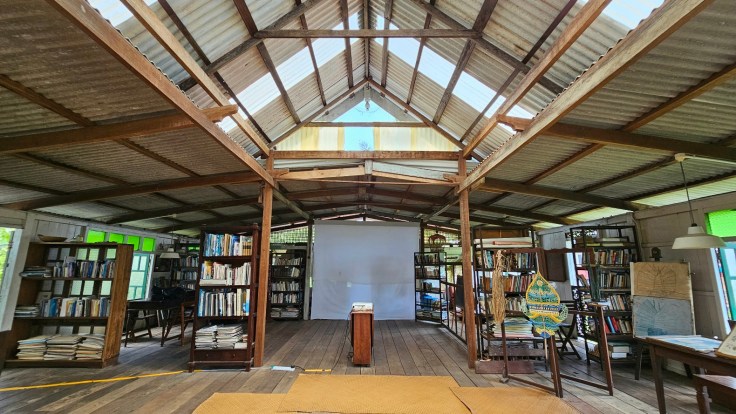

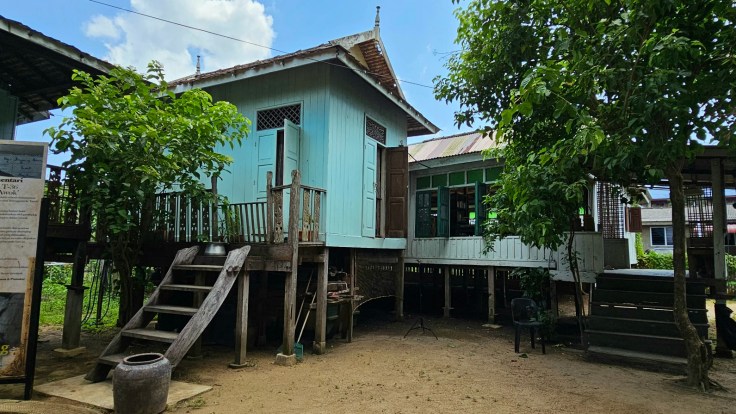
The library is housed in a restored kampung-style wooden house and filled with books on Malay culture, boat making, and local history. It’s an inspiring example of cross-cultural connection and community legacy.
3. Bukit Besar: A Local’s View from the Top
Bukit Besar, or “Big Hill,” rises about 250 m above the city and is a favourite among locals for walks, jogs, and scenic views, especially in the early mornings and late afternoons.
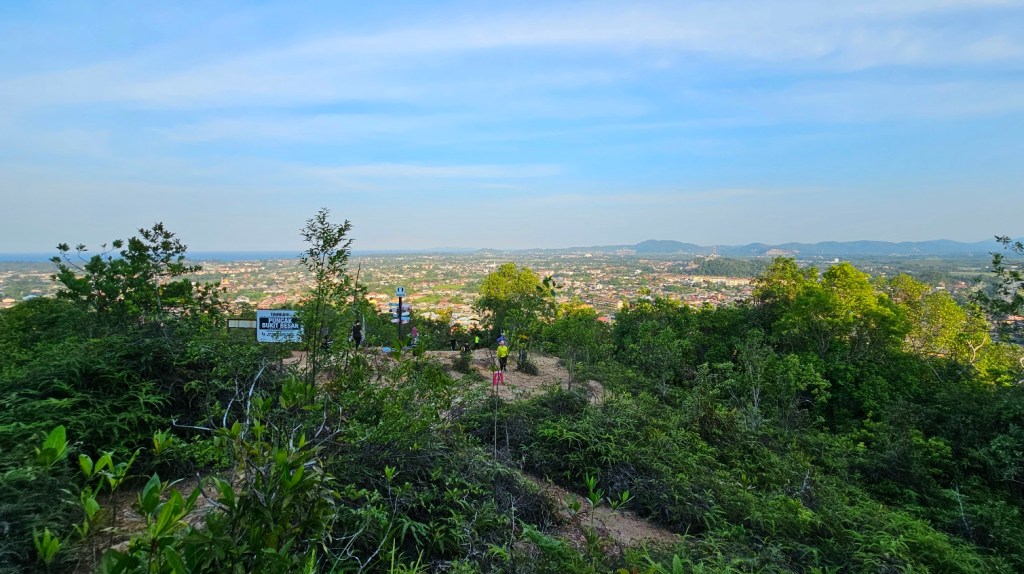
What makes this modest hill worth your time isn’t its height, but it’s a space that connects you with the residents to unwind, exercise, and enjoy nature.

At the summit, you’re also rewarded with a panoramic view of the city framed by hills on one side and the South China Sea on the other.
Tastes That Define Terengganu
One of the best ways to experience Kuala Terengganu is through its food. The flavours here are shaped by the sea, heritage, and everyday life.

The following are the dishes that left the biggest impression on me and they’re worth seeking out when you’re in town.
1. Nasi Dagang
If there’s one dish that defines Terengganu, it’s Nasi Dagang, a breakfast staple that the locals take seriously. What makes it special is the rice itself, typically a mix of glutinous and white rice steamed in coconut milk and often infused with fenugreek and ginger. It has a soft, slightly sticky texture and a rich, subtly fragrant taste.
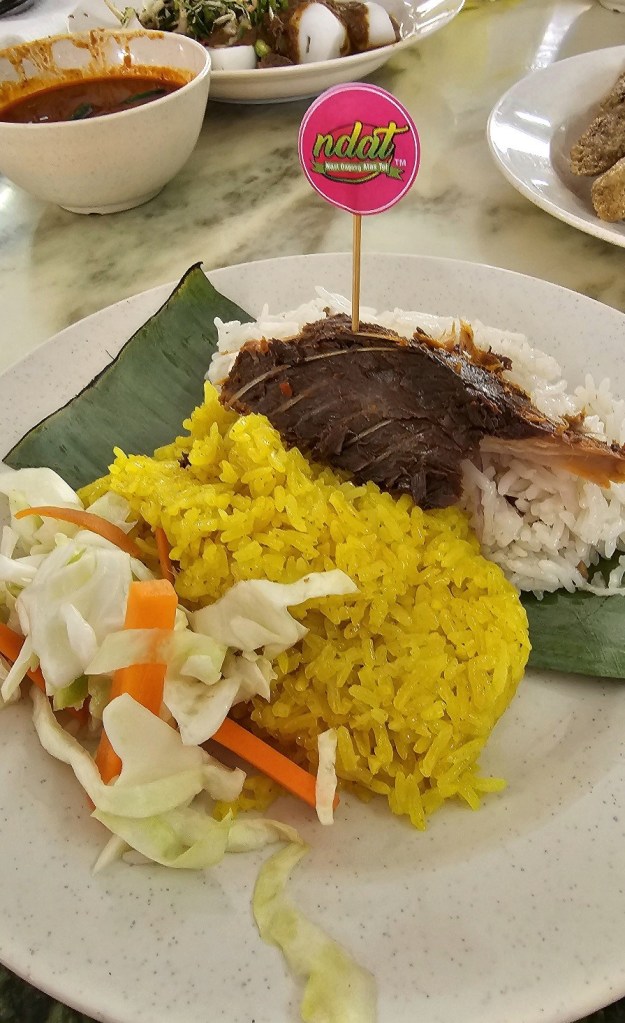
It’s served with a thick, savoury fish curry (usually tuna or mackerel), and a side of pickled vegetables like cucumber and carrots. I had this almost every morning and never got tired of it.
2. Nasi Padang
Although Nasi Padang has its roots in Indonesia, it’s widely enjoyed in Malaysia. In Terengganu, it comes with a local twist. Here, it’s served buffet-style, with a spread of 20 to 30 dishes laid out.
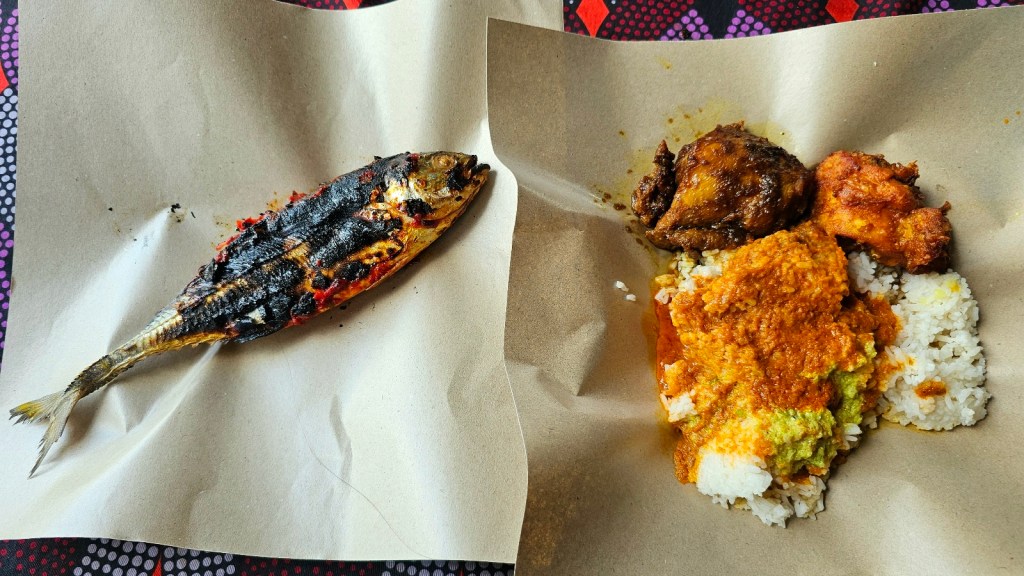
You’ll typically find beef rendang (slow-cooked beef stew), ayam bakar (grilled chicken), various types of spicy curries, sambal (chili paste), stir-fried vegetables, and more. It’s a flavour-packed way to sample a variety of dishes in one meal.
3. Terengganu Laksa
Laksa is popular across Malaysia, Singapore, and Indonesia, but the Terengganu version stands apart. Unlike the more familiar soupy laksa, this one is served dry, with a thick savoury gravy poured over rice noodles.

The gravy comes in red or white. Both are made from local fish blended with ground spices and herbs, then served with toppings like bean sprouts, sliced cucumber, cabbage, and even grilled ginger. I had the red gravy one, which was punchy and tangy, unlike any laksa I’ve tried before.
4. Keropok Lekor
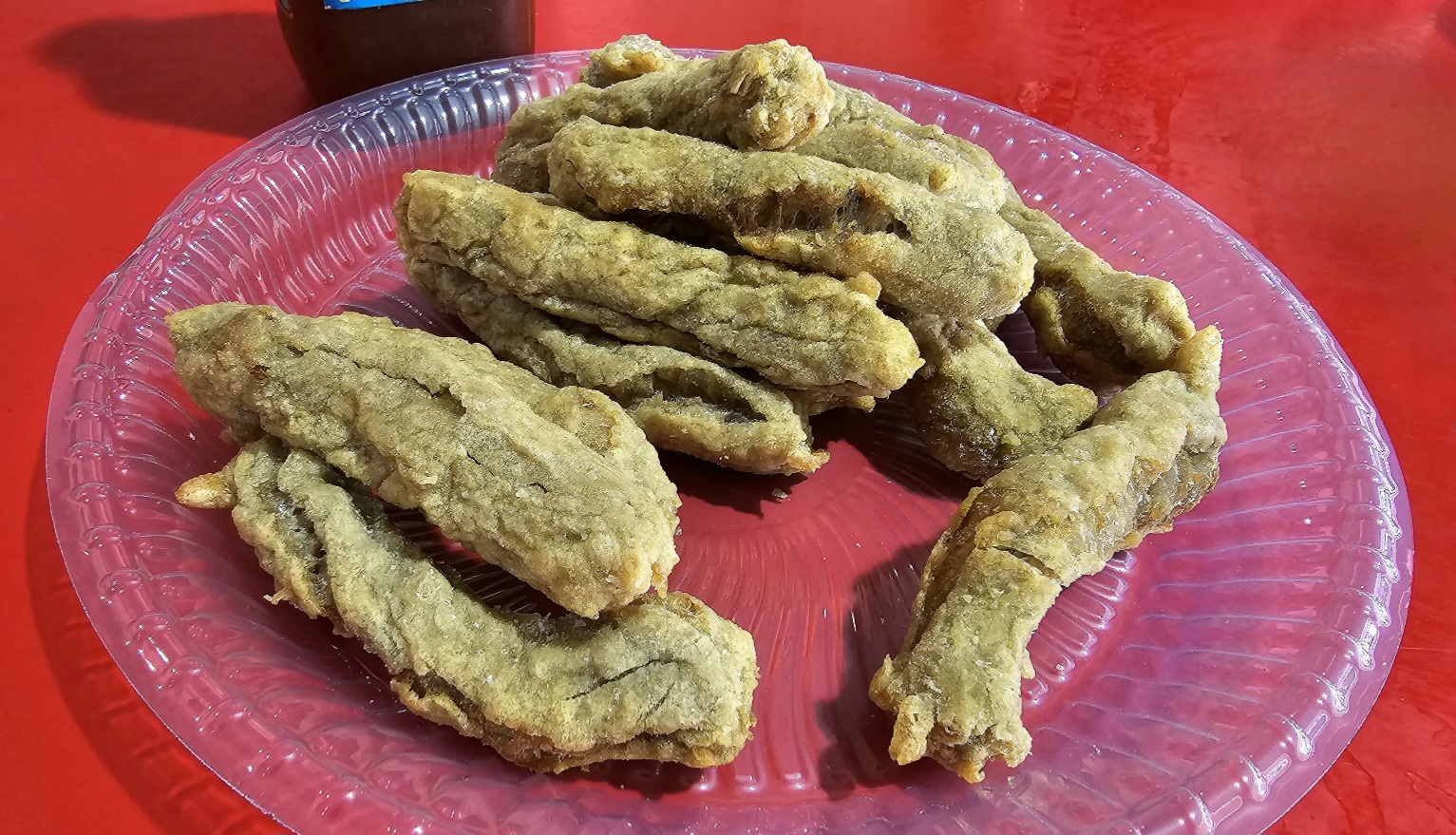
You’ll spot this snack all over Terengganu, from roadside stalls to beachside vendors. Keropok Lekor is a chewy fish sausage made from ground fish and sago flour, shaped into logs and either boiled or deep-fried. I preferred the fried version, hot and crisp from the wok, dipped in sweet-spicy chili sauce.
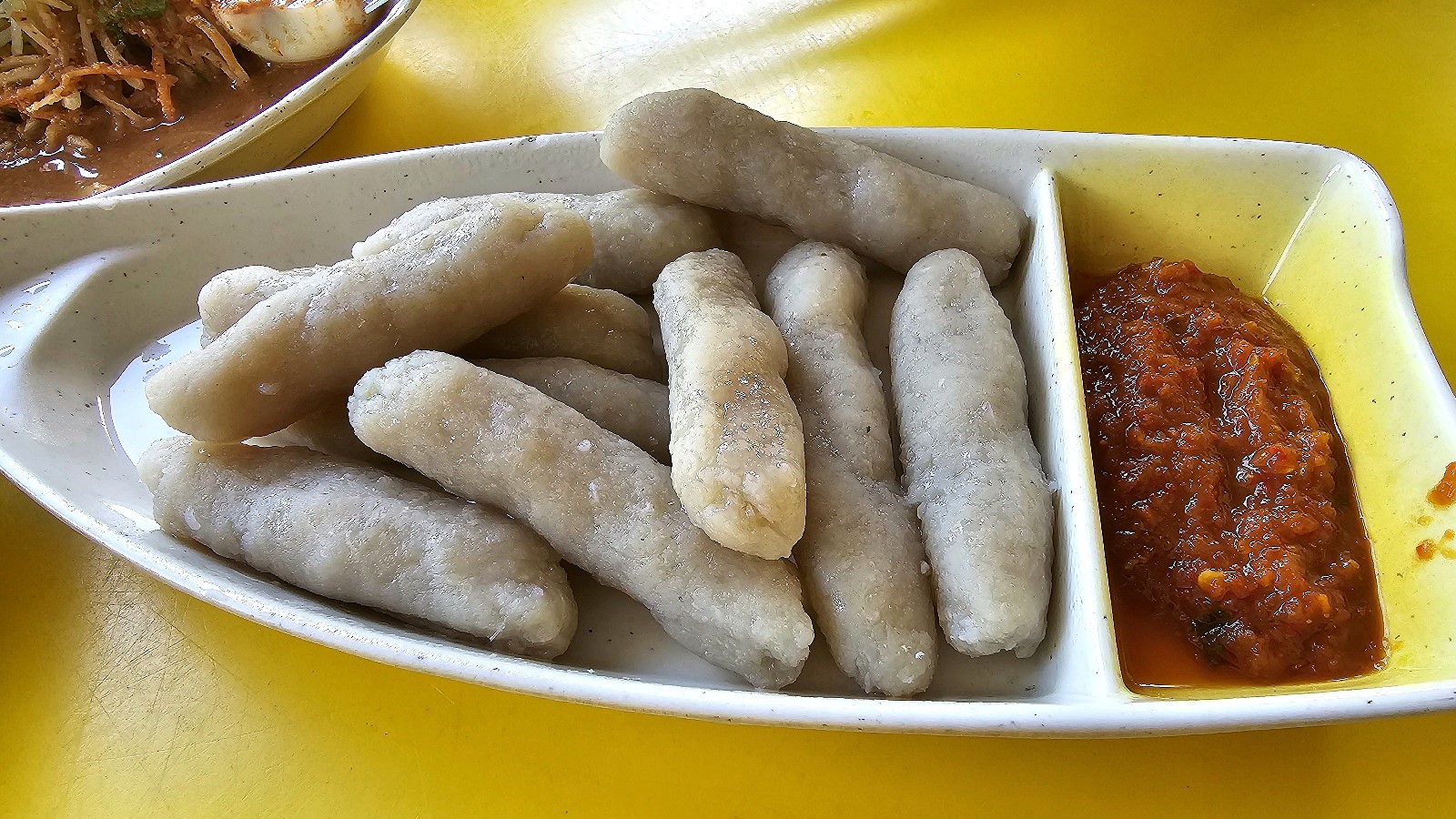
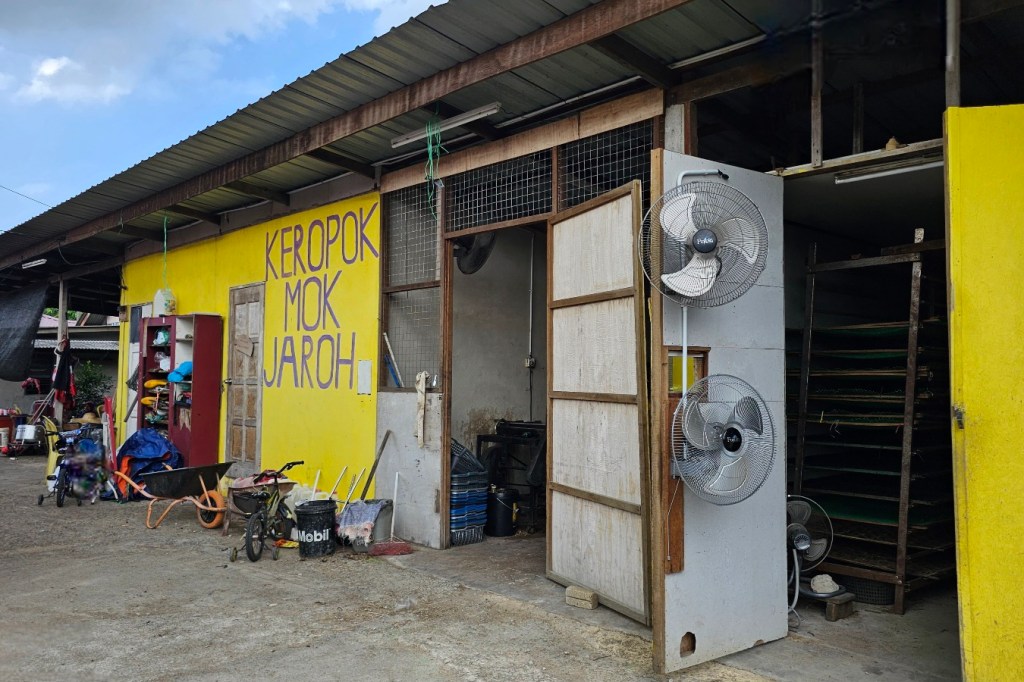
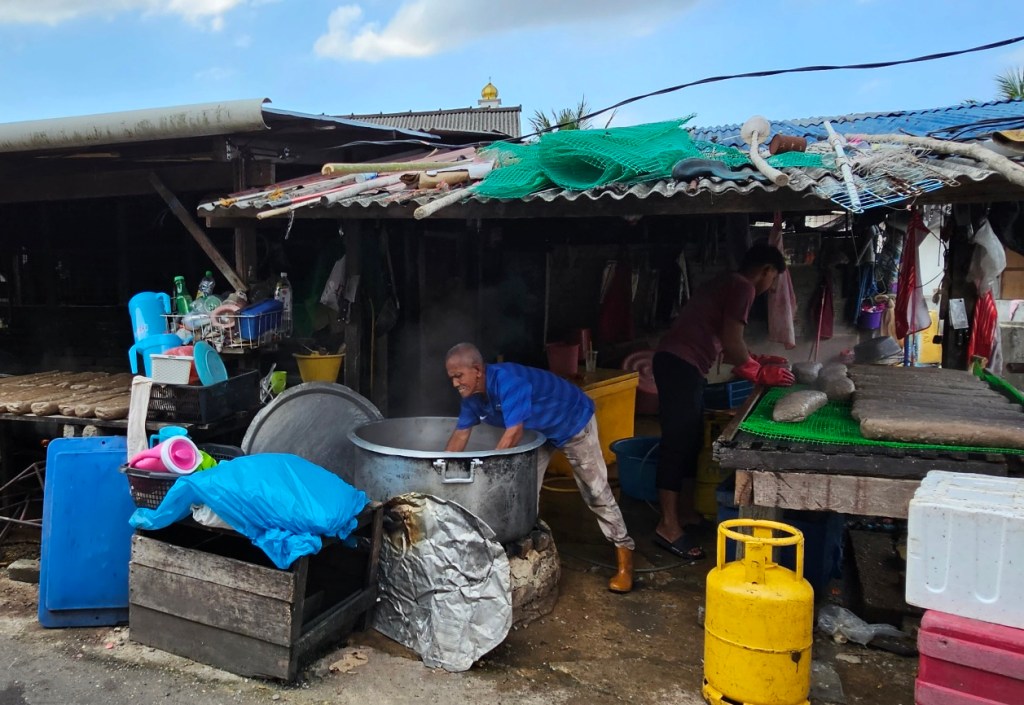
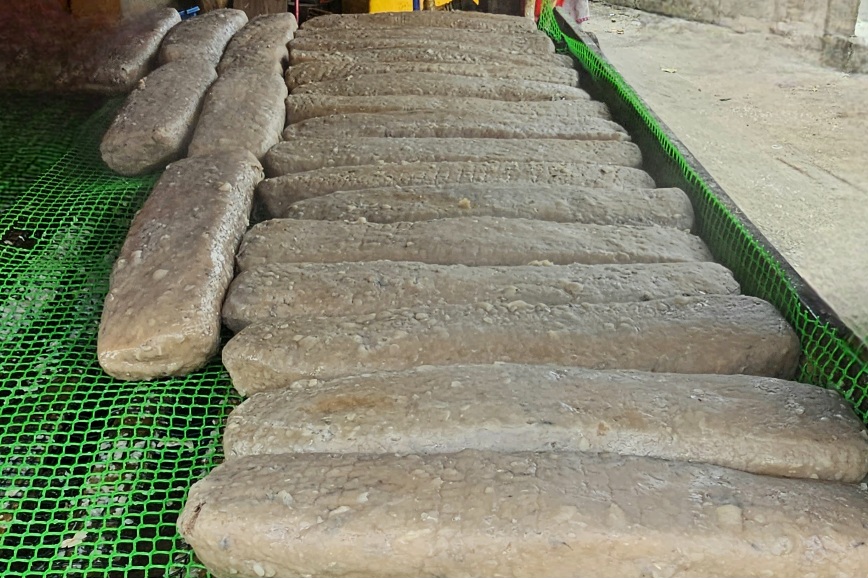
I visited a small factory to watch how it was made from scratch. Seeing the whole process gave me a deeper appreciation for this simple food that’s so loved in Terengganu.

5. Teh Peng Ombak Rindu
Named after a popular Malay film, this iced milk tea (“Wave of Longing Iced Tea”) is pulled and poured from a height to create a thick, creamy foam, then served cold in a tall glass or large jar.
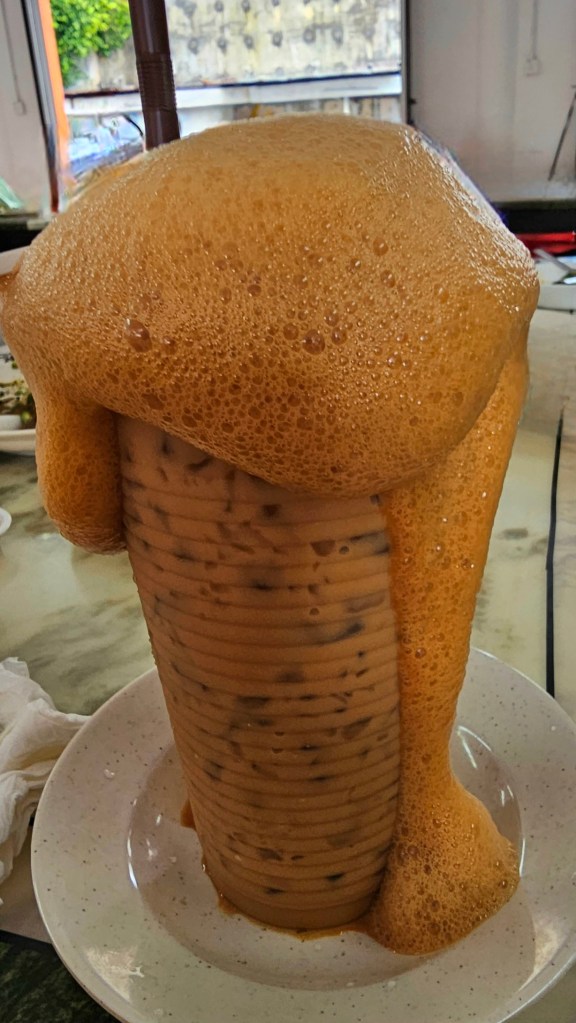
What makes it special is both the dramatic presentation and the taste. It’s smooth, sweet, and slightly malty. It’s best enjoyed with a plate of Nasi Dagang, and you’ll find the most well-known version at Nasi Dagang Atas Tol. Some stalls offer pandan or green tea flavours, but the original still pairs best with breakfast.
A Bridge Between Past and Progress
In a city known for heritage streets and centuries-old mosques, the Kuala Terengganu Drawbridge stands out as something entirely unexpected and unforgettable.
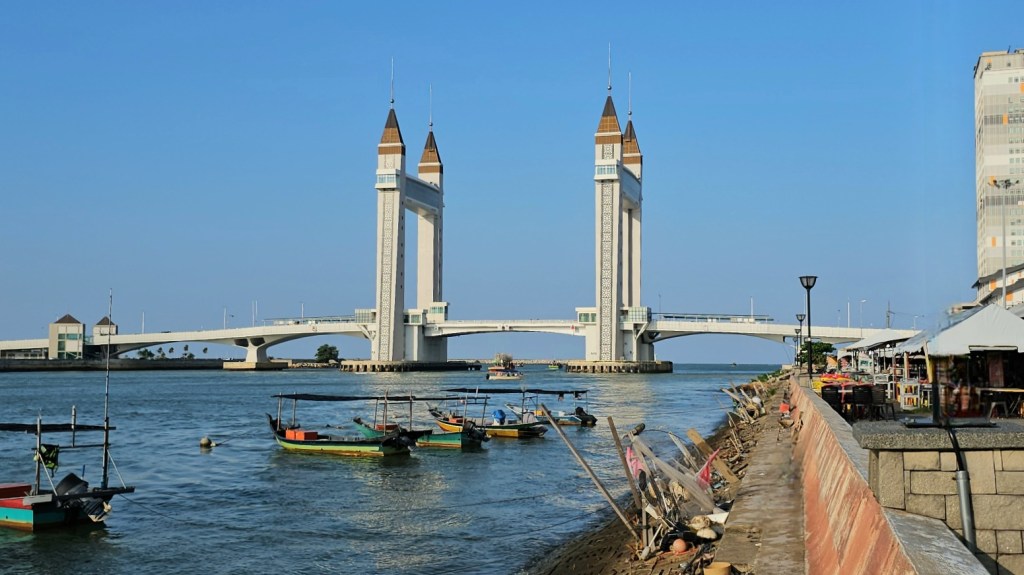
Opened in 2019, this vertical-lift bridge is the first of its kind in Southeast Asia and, even more impressively, the first in the world to operate on 98 percent solar energy. Spanning 638 metres, the Drawbridge connects the city’s northern and southern parts, standing tall as a striking contrast to its traditional skyline.

I bought a ticket and went up to the skybridge viewing platform just before sunset. From above, I watched boats glide through the water, the sun dip behind the city, and golden light reflecting across the river.


This is probably one of the best spots to catch the sunset in Kuala Terengganu. As night fell, the Drawbridge lit up, and the entire scene quietly transformed into something cinematic.
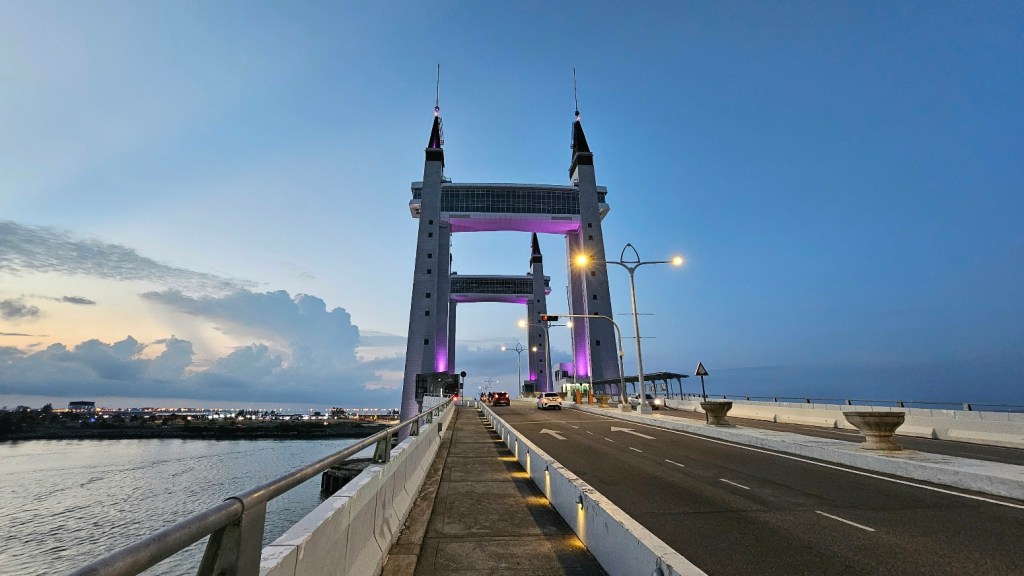
This isn’t just infrastructure. It’s a statement of how Terengganu embraces progress without losing its identity. For me, the Drawbridge alone was a standout reason to make the trip here.
Why Kuala Terengganu Is Worth Visiting
Kuala Terengganu may not be the easiest place to reach, but that’s part of what makes the journey worthwhile. It’s a city that moves at its own pace, where tradition shapes daily life and culture feels deeply rooted.
What stood out to me was how authentic everything felt, from its centuries-old mosques and traditional architecture to its coastal food heritage and the everyday rhythms that remain proudly local.
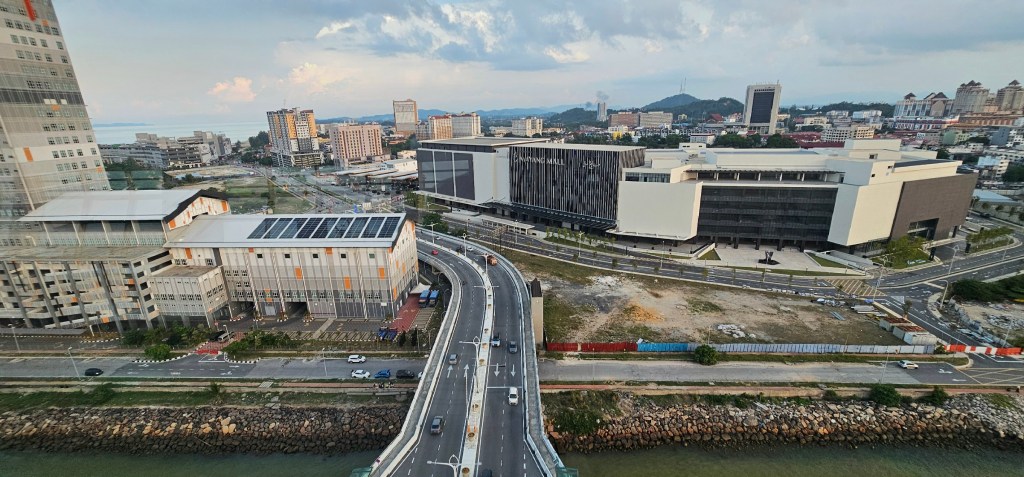
If you’re a traveller who values discovery over crowds, culture over convenience, and moments that feel honest and grounded, I believe Kuala Terengganu will offer you something rare, a sense of place that stays with you. It’s the kind of city that leaves a lasting impression, even after you’ve gone.
How to Get to Kuala Terengganu
- By Air: Direct flights from Kuala Lumpur to Sultan Mahmud Airport take about 1 hour and run several times daily, operated by airlines like AirAsia, Malaysia Airlines, and Firefly.
- By Bus: Long-distance express buses connect Kuala Terengganu with major cities such as Kuala Lumpur, Penang, and Johor Bahru. The journey from Kuala Lumpur takes around 6 to 7 hours.
- By Car: A road trip from Kuala Lumpur takes roughly 6 hours via the East Coast Expressway. It’s a scenic drive through rural Malaysia, ideal if you enjoy taking the journey slow and stopping along the way.
I Want to Hear from You!
Have you heard of Kuala Terengganu before, or maybe you’ve already been? Did anything in this post surprise or intrigue you? I’d love to know what caught your attention.
Or is there another Malaysian city you think deserves more love? Share your thoughts, questions, or even your own experience in the comments below.


 Where Jasz Explores
I had no idea Kuala Terengganu had so much charm and culture packed in. The mosques and food especially caught my eye.
LikeLike
Thanks so much for your comment! I’m glad the mosques and food caught your eye. Kuala Terengganu really has a unique charm and I hope you get the chance to visit someday!
LikeLiked by 1 person
I hope so too, JaszMin! 😊 It sounds like such a vibrant city, I’d love to explore the culture and try all the local dishes someday.
LikeLike