Visiting prisons and understanding prison life have always been one of my travel interests. During my trip to Finland back in 2013, I visited Hämeenlinna, the oldest inland city of Finland and spent a day exploring the largest prison museum in the country known as “The Prison”.
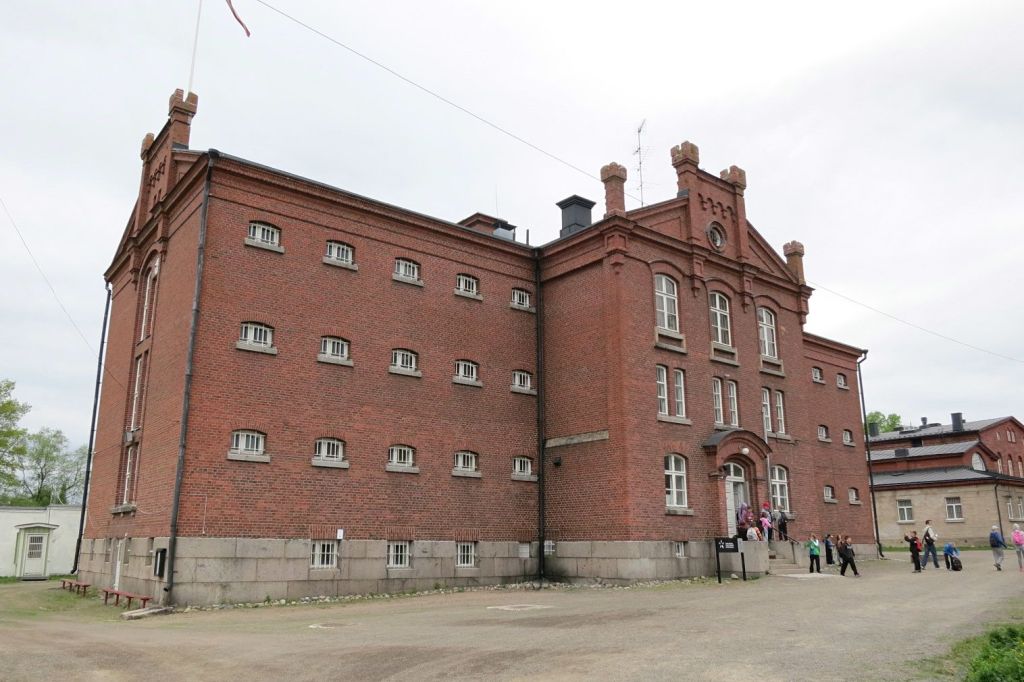
Built in 1871, Finland’s first cell prison, also known as the former Hämeenlinna county prison, is located next to Häme Castle. It ceased its penitentiary operations in 1993 and was turned into a museum opened to the public in 1997.
The Prison allows visitors to examine the history of criminal sanctions and provides a glimpse of prison life in the past and today by evoking emotions and breaking many preconceptions. The museum building and its premises are authentic and maintained to their original condition.
(Note: The photos and information below were taken from the museum at the point of my visit.)

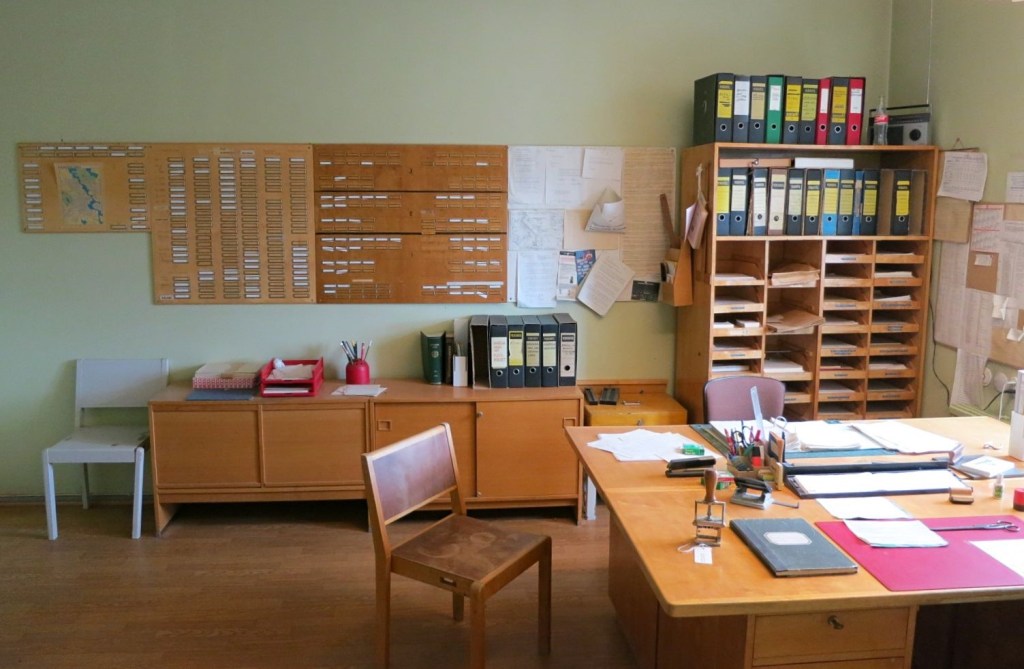
The prison office was the first room I saw the moment I entered the building. As the operational nerve center of the prison, this was where the senior guards worked. Their responsibilities included drafting the prisoners’ placement lists and estimating their fitness for work. This was also where a map of the cells and lockers for the guards’ official weapons were housed.
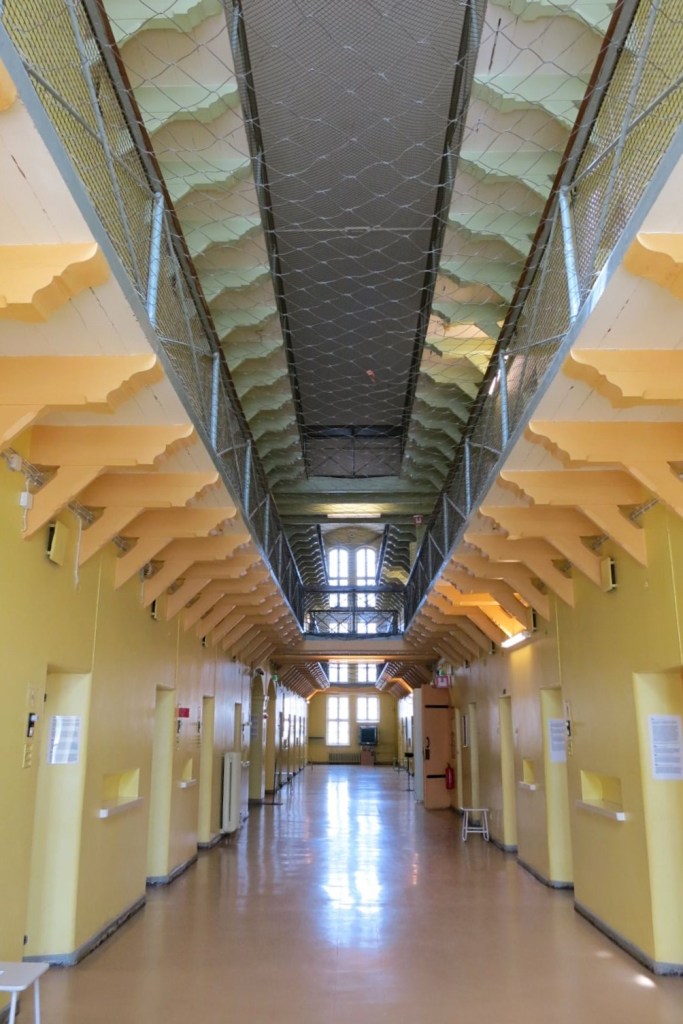
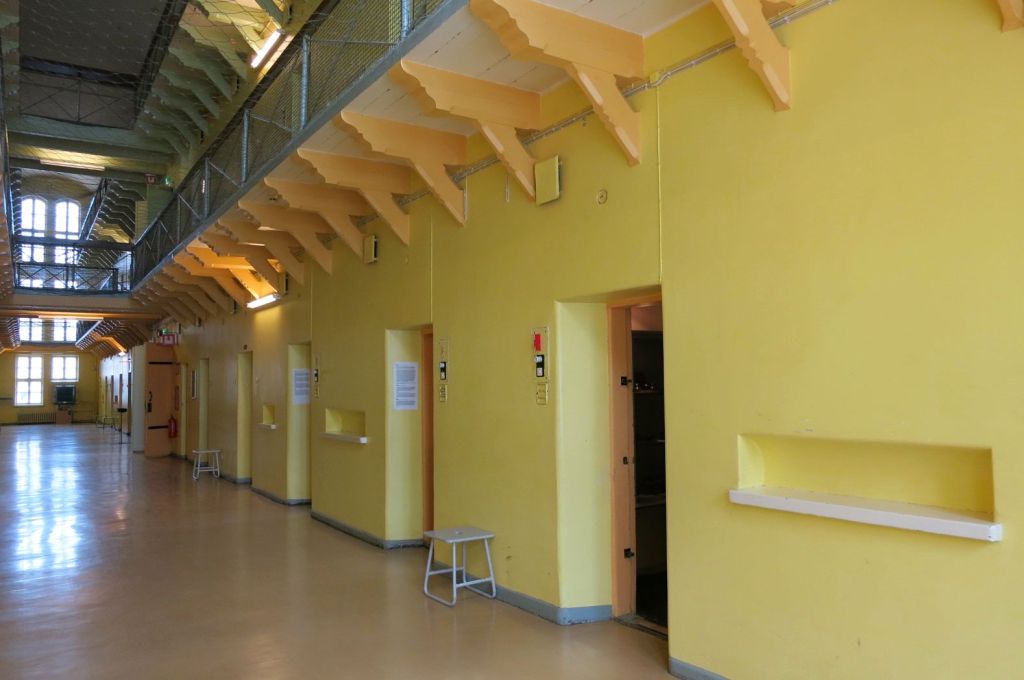
The building consists of three floors and the exhibits were displayed in the cells. The museum features a permanent exhibition and changing exhibitions.

The first floor housed regular prisoners, and two guards worked in the guardroom on this floor.

For isolation and prison administration purposes, contacts between prisoners and relatives, friends and other prisoners were restricted to a minimum, probably until after the Second World War. The convicts were not allowed to keep any articles that might be used for communication, including writing instruments and stationery.
Nevertheless, prisoners found innovative ways of eluding these regulations. For example, messages were passed on by knocking on walls, by secretly writing letters that were fished from cell to cell, or rolled up and thrown over the prison walls. Ironically, during prison classes, the inmates were encouraged to express themselves in writing so that they could improve their reading and writing skills.

In the 19th century, people commonly learned to make things by hand, and prisoners were able to produce a variety of objects with modest means. Objects made with the prison’s approval were sold at prison shops, and the prisoner could keep the proceeds.
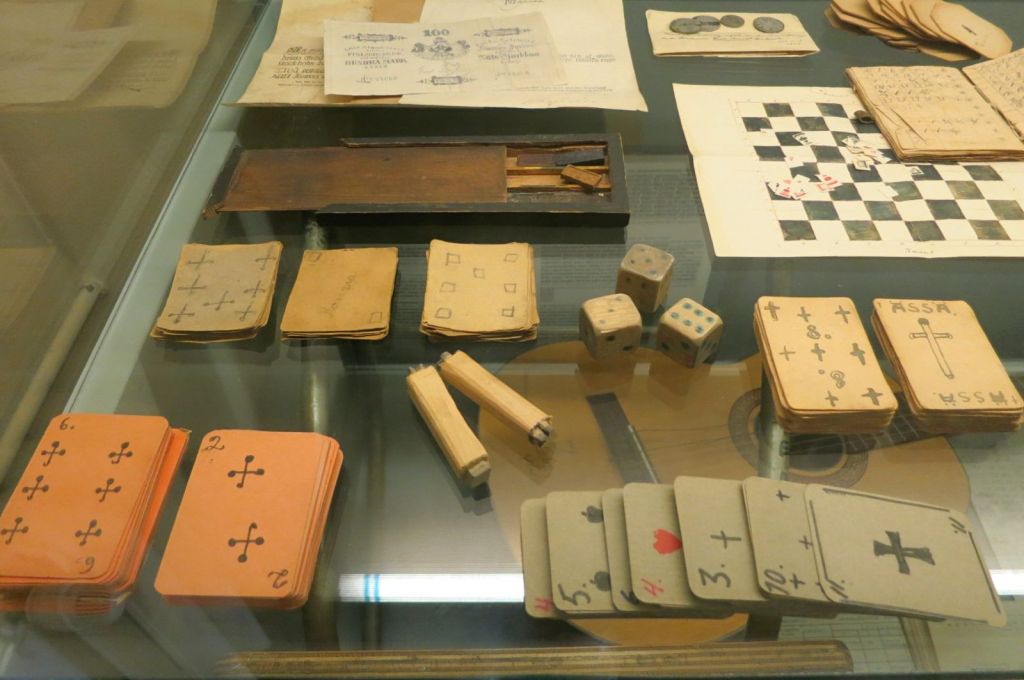
Card games and other games were banned, but through their resourcefulness, the prisoners managed to make the cards in secret, and some were able to lay hands on pornographic cards. They were also able to stash tobacco into the most unimaginable places even though smoking was also banned.

The photographing of prisoners dated back to the 1860s, and was carried out through varied methods. The prison initially engaged local professional photographers, who used their own equipment. However, they purchased their own equipment later on, with the photographing carried out either by prison officials or an outside photographer.
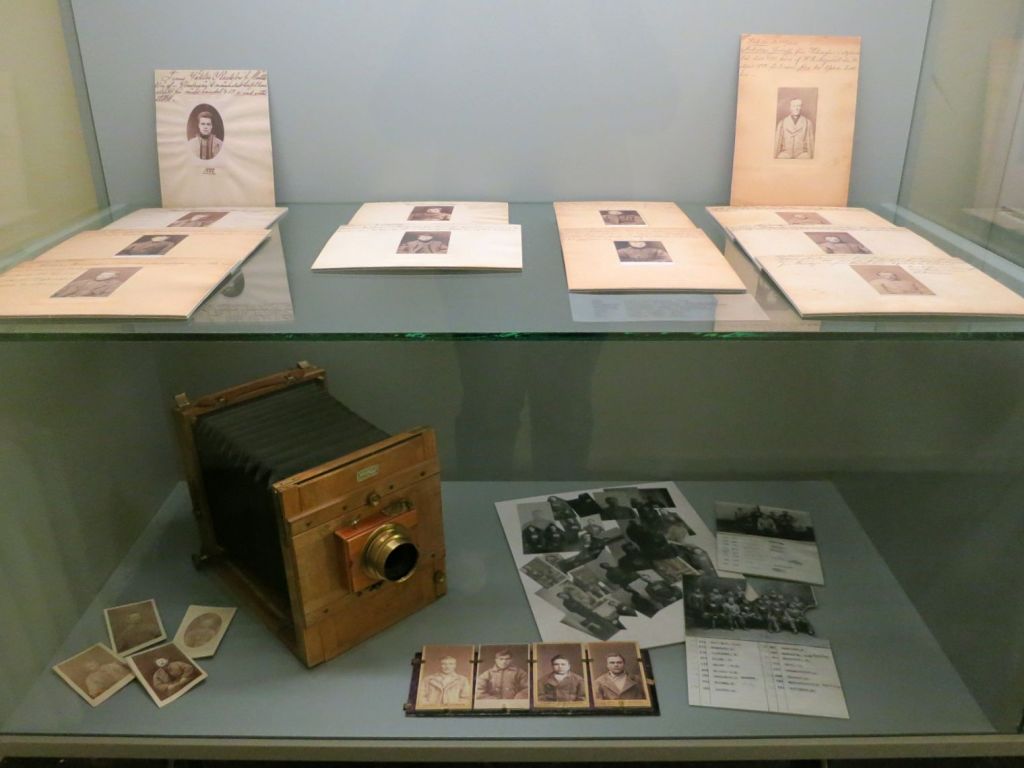

In addition to the photographs, any distinguishing characteristics of the prisoners were recorded, and they were subjected to the anthropological measurements for the purposes of research. These are photos of prisoners from the 1880s, together with cameras and equipment for taking fingerprints.

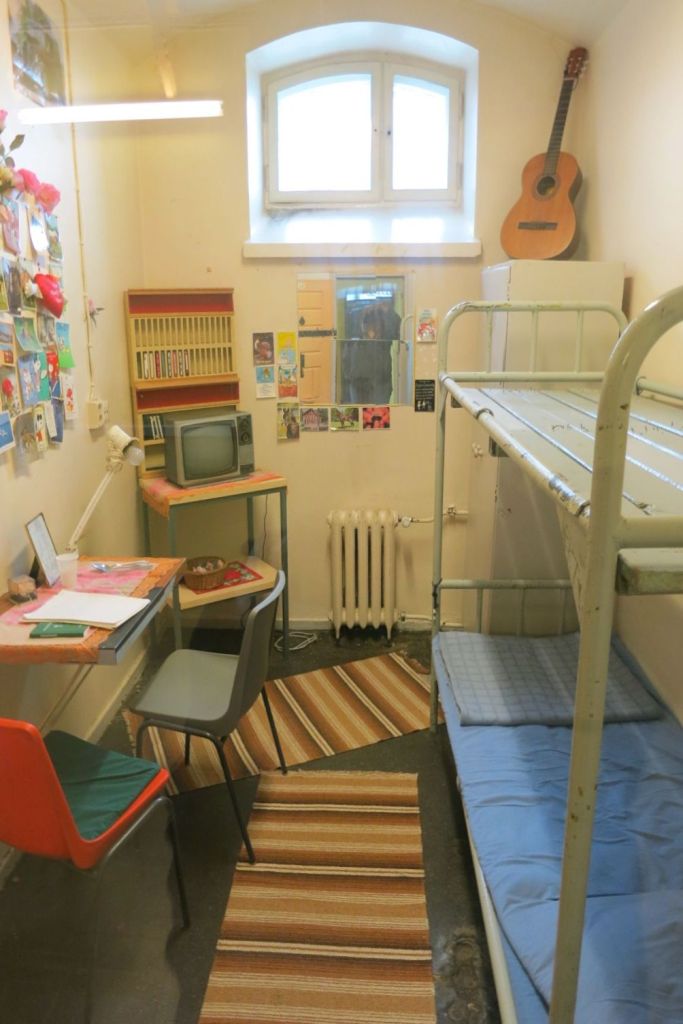
Here are two different cells which housed a 28-year-old repeated offender serving his ninth sentence (left pic) and another aged 20 who was a first-time offender (right pic).
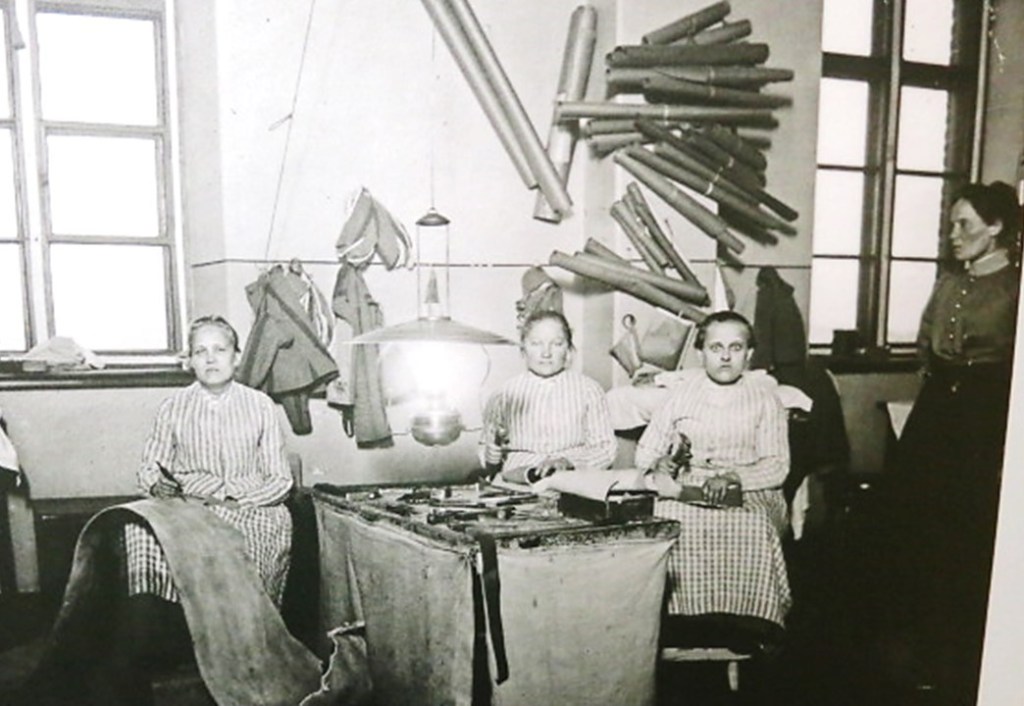

Women prisoners did all kinds of indoor and outdoor work, ranging from farming and cleaning to embroidery and tapestry weaving.
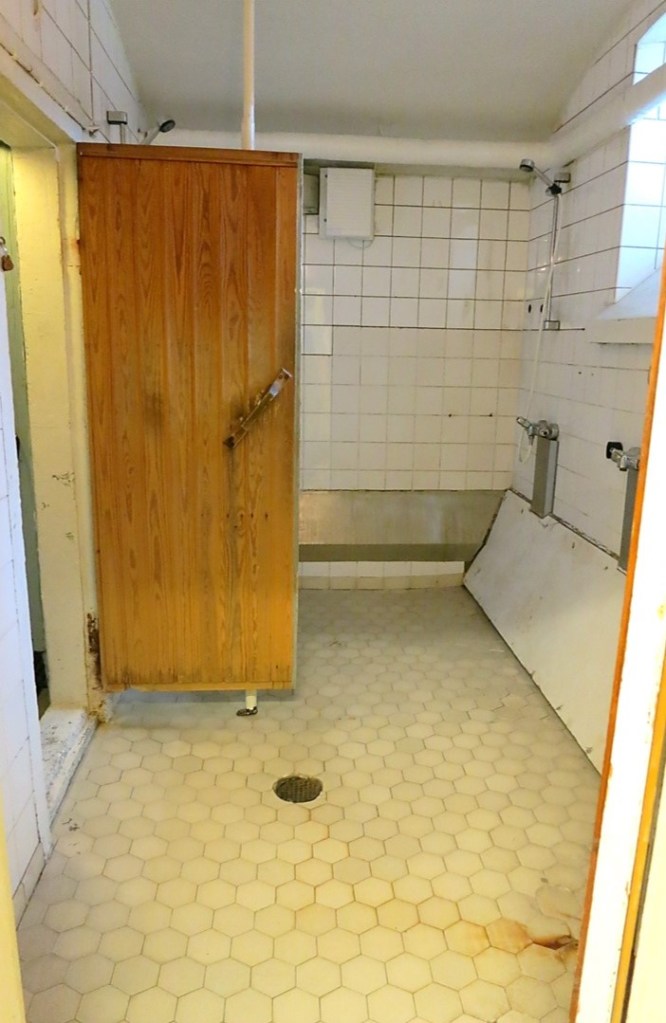
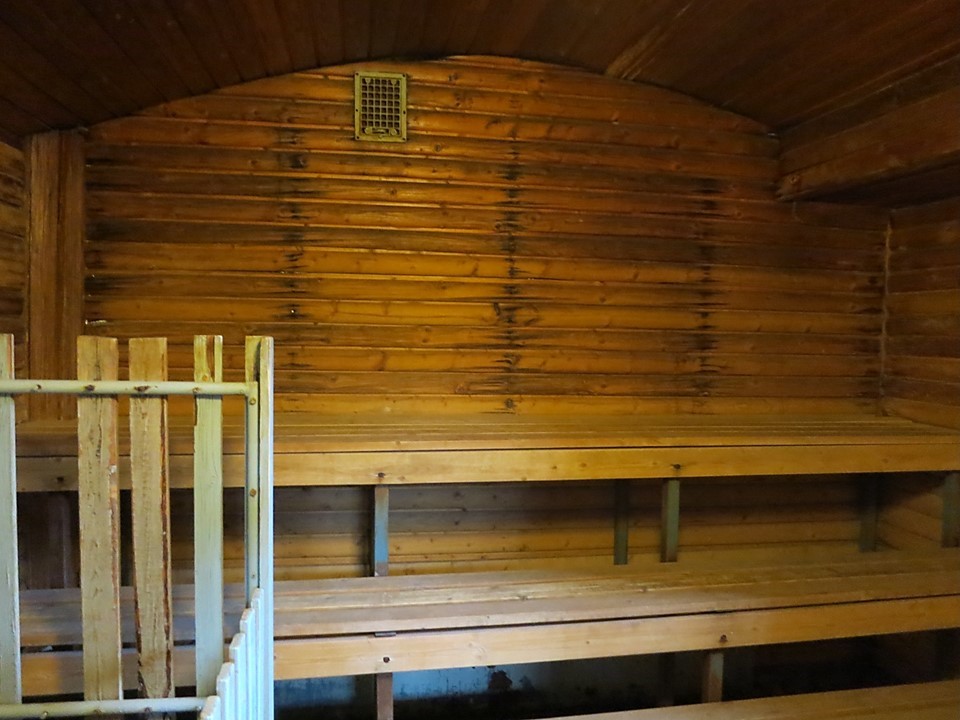
The prisoners took their showers daily and used the sauna once a week. They took turns in the shower or sauna, while the guard waited outside in the corridor which served as a dressing area.
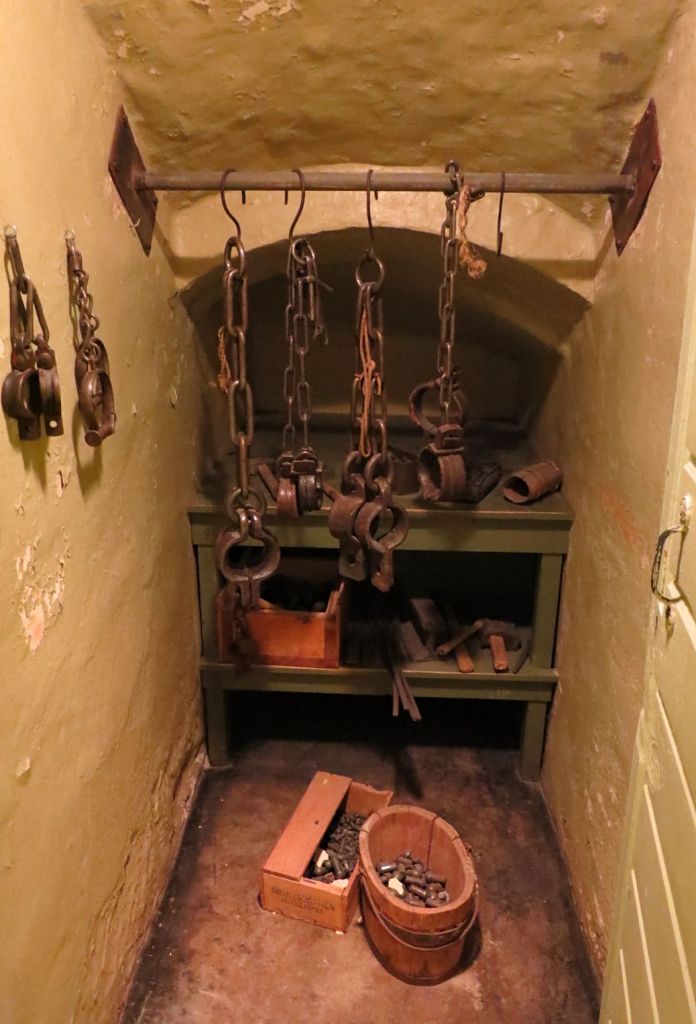
The shackling of prisoners in leg irons discontinued in 1981.
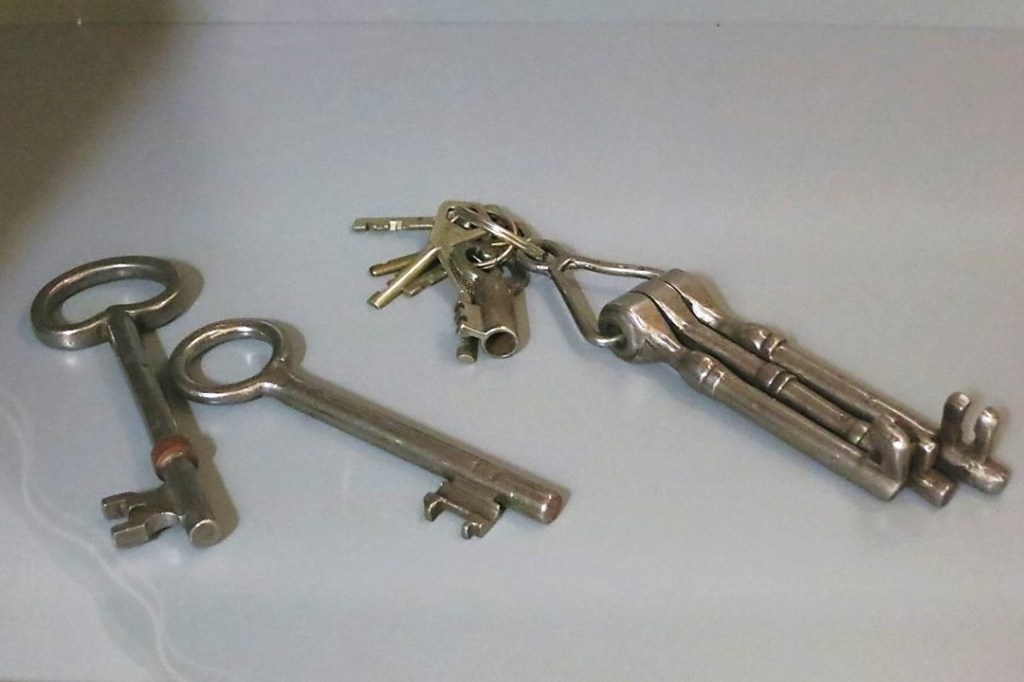


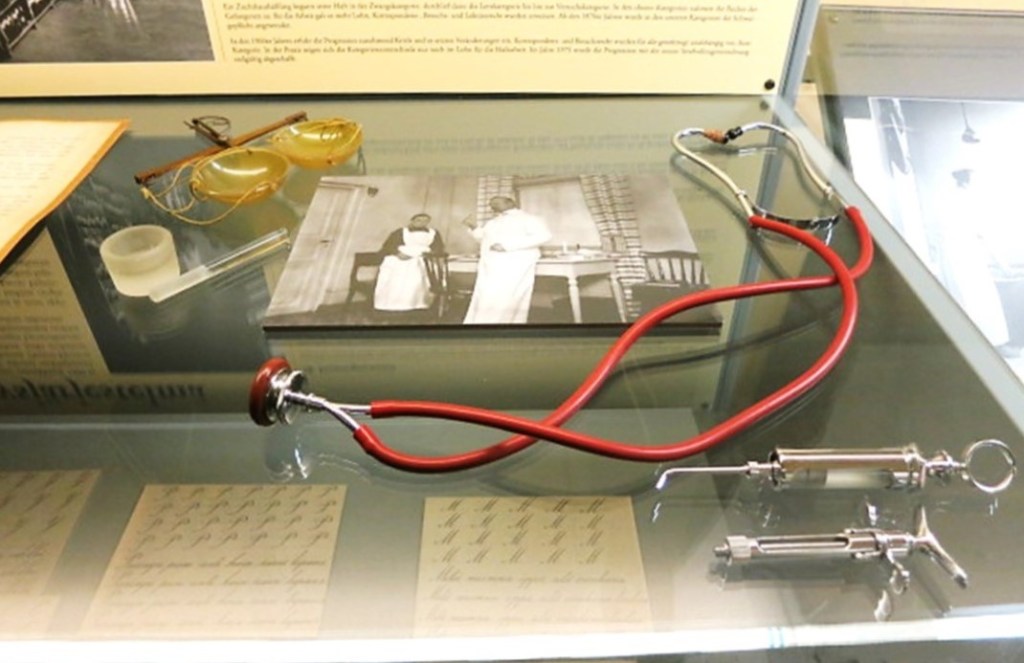
These were some random exhibits found in the exhibitions.
There were three separate travel cells in the prison: one for temporary housing of prisoners, another for new prisoners, and a third for those about to be released. One cell could house several prisoners at the same time. The travel cells were sparsely furnished, with iron bunk beds, mattresses, and pillows.
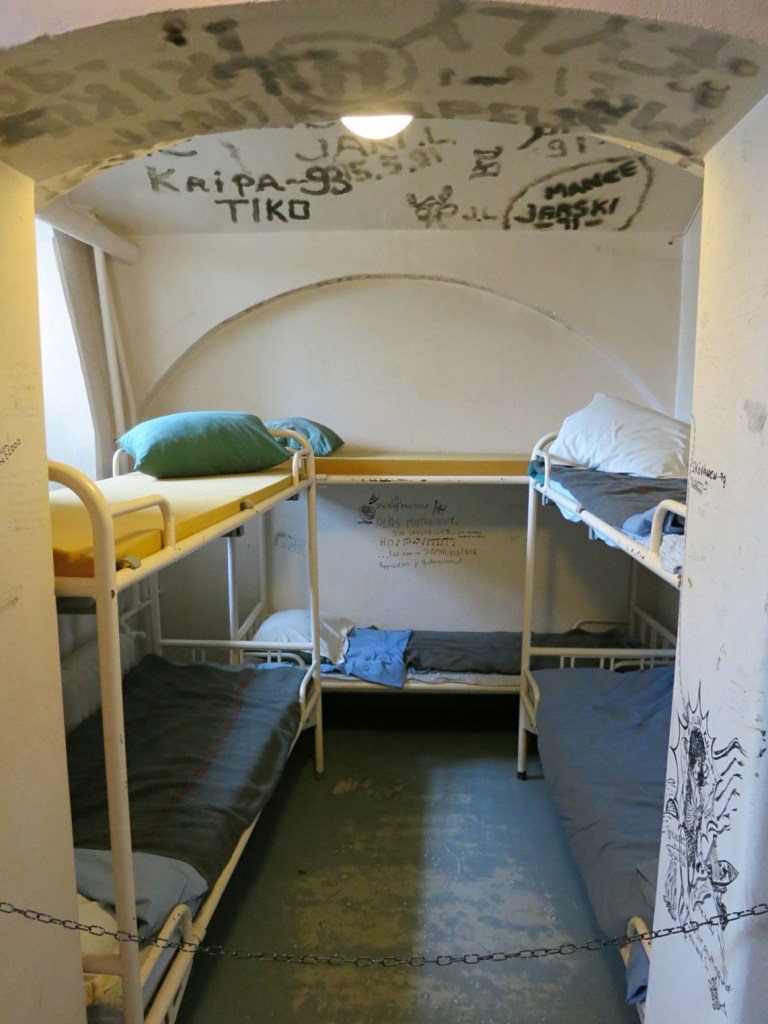
The photo above presented how it would have been in 1993. The writings and drawings of the prisoners on the walls and ceiling have been retained.

The segregation cell is where a prisoner may be placed in solitary confinement if he seriously endangers the life or health of another, or to prevent continued use of any intoxicating substance.
The Governor will decide if a prisoner be placed in a solitary confinement for a maximum of 7 days, while the Board of Management could place the prisoner for up to 20 days at a time.
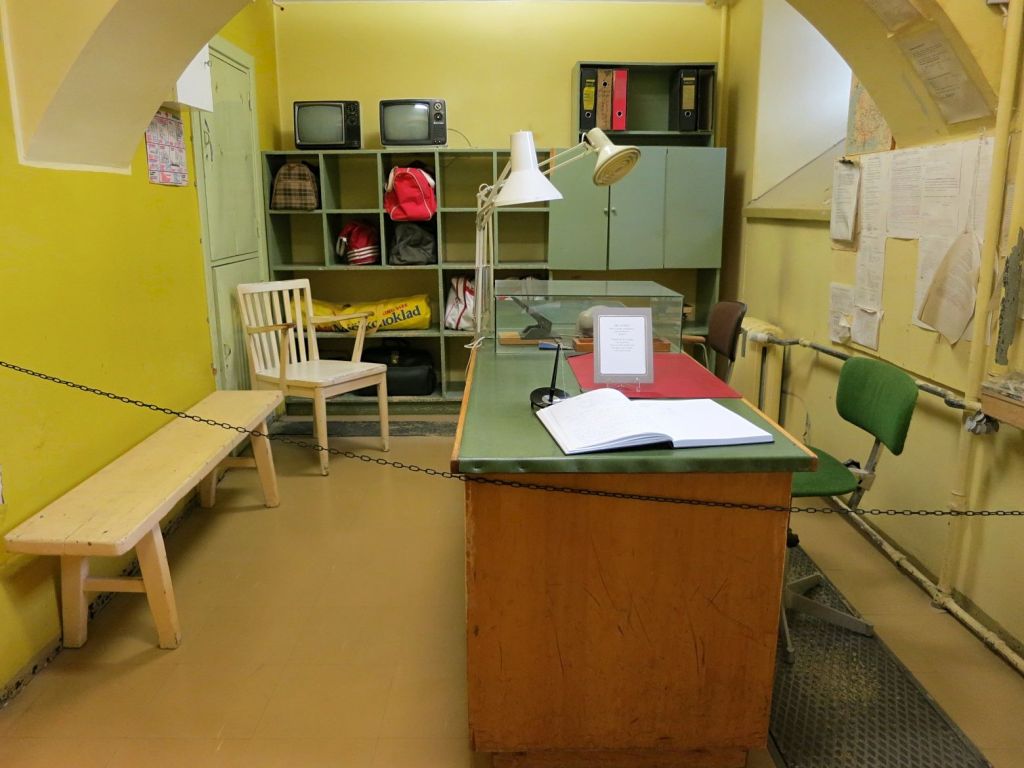
The reception area on the ground floor was where new prisoners were received on their arrival. Prisoners will be stripped, and if necessary, they were be taken through the metal detector in the doorway between the rooms.

I signed off at the reception before leaving The Prison. Out of the many prisons I have visited, I thought the living conditions were much better here and the prisoners had opportunities to carry out work based on their interests.
In fact, Finland today has a “open prison” system, and the prisoners are considered the happiest in the world. Click here to find out more.
For anyone interested in Finnish history, remember to include the Häme Castle and The Prison on your bucket list when you visit Finland!
I Want to Hear from You!
Have you visited any prisons before? Share away!




 Where Jasz Explores
Damn girl – how do you remember all of this after visiting 5 countries?
Impressive!
LikeLiked by 1 person
Well, I reckon it’s because I took tons of photos and that helps me to remember :)
LikeLike